SHARE


 Chad
Chad
16-03-2026 | di COOPI
Chad. Our commitment to peace in the Lac Province continues
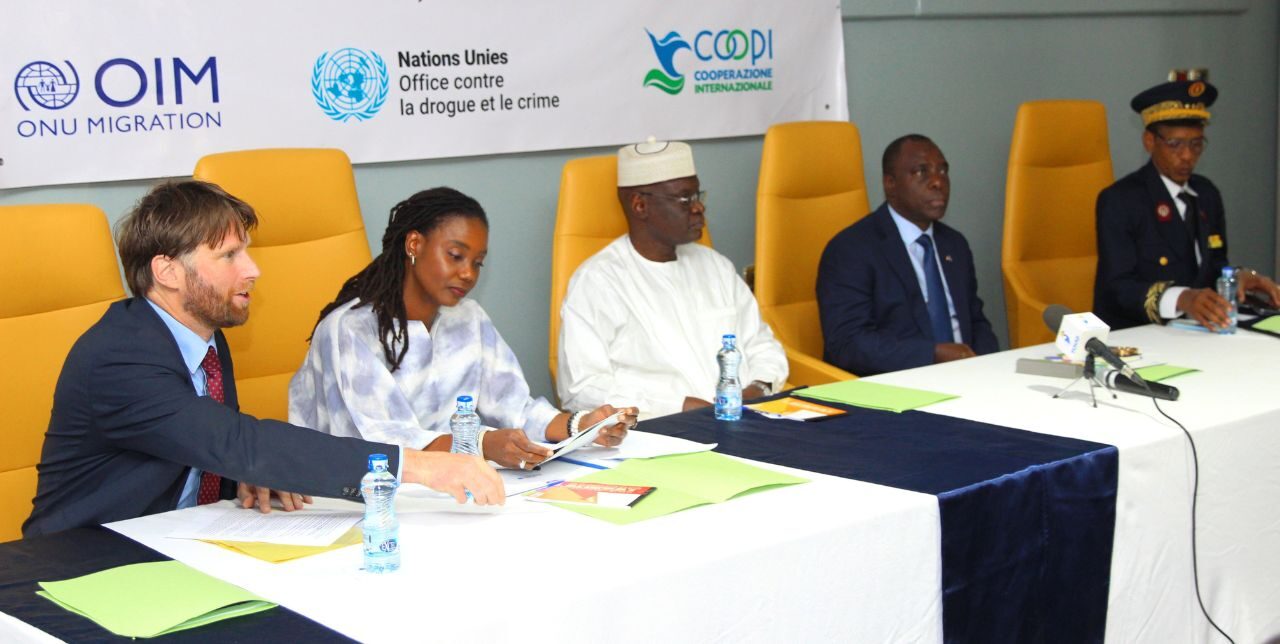
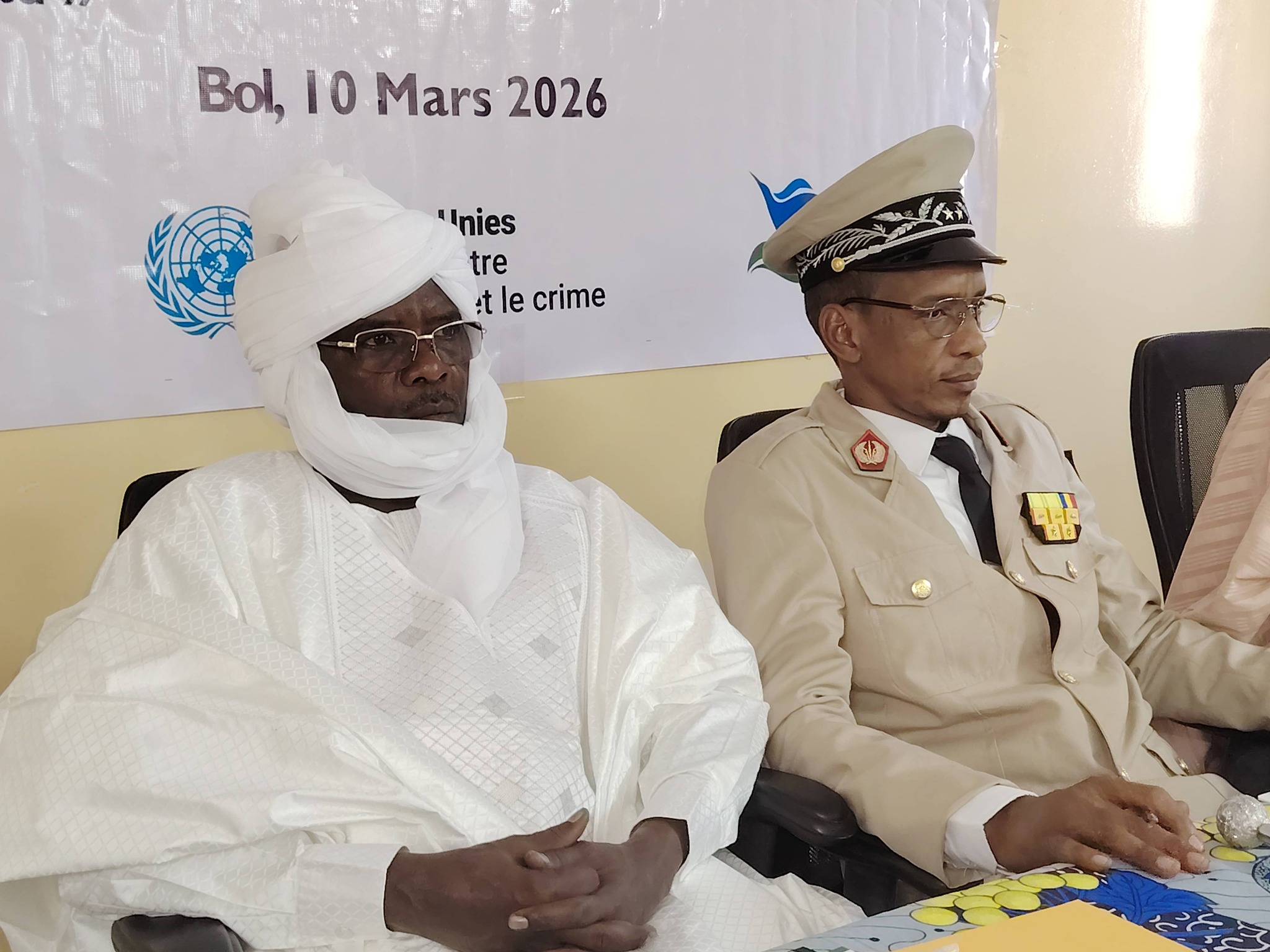
On 10 March in Bol, in the Lac Province, a double milestone event took place to strengthen the peace process in the country: the conclusion of the ‘Women, Peace and Security’, funded by the Foreign, Commonwealth & Development Office, and the official launch of the new project “Supporting local efforts for the disengagement, disassociation, reintegration and reconciliation (DDRR) of former associates of violent extremist organisations in Chad”, funded by the International Organisation for Migration. The event brought together local authorities, partner women’s organisations and representatives of institutions involved in the DDRR process, marking a continuity between past and future actions.
The initiative is being implemented by a consortium led by the IOM, together with COOPI – Cooperazione Internazionale ETS and the United Nations Office on Drugs and Crime, thanks to funding from the cooperation of the Netherlands and Spain. COOPI will implement the "Women’s Initiative for Support and Empowerment in DDRR (WISE-DDRR)" component, aimed at strengthening the participation of women and women’s organisations in the processes of disengagement, disassociation, reintegration and reconciliation.
A new project to strengthen peace-building efforts
The 21-month project will be implemented in the departments of Mamdi, Kaya and Fouli. It involves capacity-building for women’s organisations, the provision of micro-grants to support their initiatives, and their participation in DDRR coordination bodies.
During the event, several testimonies highlighted the tangible impact of the approach adopted by COOPI in previous projects, particularly in strengthening dialogue between host communities and former combatants.
At first, mistrust kept us apart. But by joining the same association, we realised that we faced the same challenges. Working together has enabled us to trust and support one another. Today, our joint activities show that peaceful coexistence is being built in practical terms, day by day.
say Alima Abakar, a member of the host community, and Hadjé Haoua Mali, a former member (Midikouta, Mamdi department).
A change also confirmed by the local authorities.
For a long time, coexistence between former associates and residents in my canton was marked by silent tensions. The intervention of the women’s groups changed the situation. Their awareness-raising approach, based on forgiveness and reconciliation, touched hearts where official speeches fell short. As Canton Chief, I have observed a marked reduction in social grievances. The women have succeeded in restoring the social fabric of Tataferom, proving that they are the indispensable pillars of stability in the Lake region.
states Mahamat Ibrahim, Chief of the canton of Tataferom (Fouli department).
Continuing the commitment through an innovative approach
Since 2023, COOPI has gradually consolidated its role in the Province of Lac by supporting local women’s organisations and recognising their vital contribution to conflict prevention, community mediation and the rebuilding of the social fabric in the Province of Lac.
The results achieved have fostered dialogue with the DDRR Steering Committee to further integrate the ‘Women, Peace and Security’ approach into the National Action Programme. In this context, COOPI has been selected as a partner to support the efforts of the Chadian government and the United Nations agencies involved in this process.
The key role of women in DDRR processes
Against a backdrop of ongoing security and humanitarian fragility in Lac Province, local women’s organisations play a vital role in the processes of reintegration and social cohesion. Their close ties to communities and the trust they enjoy facilitate dialogue and help to reduce stigma.
Through the WISE-DDRR component, COOPI will continue its commitment by strengthening their capacities and providing practical support for their efforts to build sustainable peace, notably through awareness-raising activities, psychosocial support and income-generating initiatives.