SHARE


 Syria
Syria
17-03-2026 | di COOPI
Syria. Women rebuild peace through dialogue
In Oweijel, Atareb District of Aleppo, years of conflict and displacement have left deep psychological and social wounds. After the area’s liberation in late 2024, hundreds of families began returning to their homes, only to find destroyed infrastructure, economic hardship, and strained relationships between returnees and host community members.
Amid this fragile environment, COOPI – Cooperazione Internazionale ETS, with support from the Syria Humanitarian Fund (SHF) of the UN Office for the Coordination of Humanitarian Affairs, launched the project “Provision of integrated Early Recovery and Protection Assistance to vulnerable populations in Aleppo and Daara Governorates” that uses Mental Health and Psychosocial Support (MHPSS) as a pathway to strengthen social cohesion and peacebuilding. The project targeted 25 women between the ages of 18 and 50, recognizing their vital role as caregivers, community connectors, and peacebuilders in post-conflict recovery.
Before the initiative began, many women in Oweijel reported high levels of stress, anxiety, and social isolation. Years of displacement had created distrust between returning families and the host community. Some women avoided social gatherings, fearing judgment or conflict.
I rarely left my house. After we returned, I didn’t feel safe or connected. Everyone seemed angry or distant.
shared Huda, a 38-year-old mother of four children.
This atmosphere of tension reflected the community’s wider struggle to rebuild not only homes but also relationships and trust.
Between January and February 2025, COOPI conducted four interactive psychosocial sessions at the Oweijel Community Center. Led by trained facilitators and case managers, the sessions combined group dialogue, emotional expression, and practical coping exercises.
The approach integrated protection principles and trauma-informed care, ensuring that each woman could share her story safely. Participants learned skills for stress management, active listening, and peaceful communication—tools they could apply in daily life and community interactions.
At first, I was nervous to talk, but when I heard other women’s stories, I felt stronger. We realized we all wanted the same thing: peace in our community.
said Maryam, age 42.
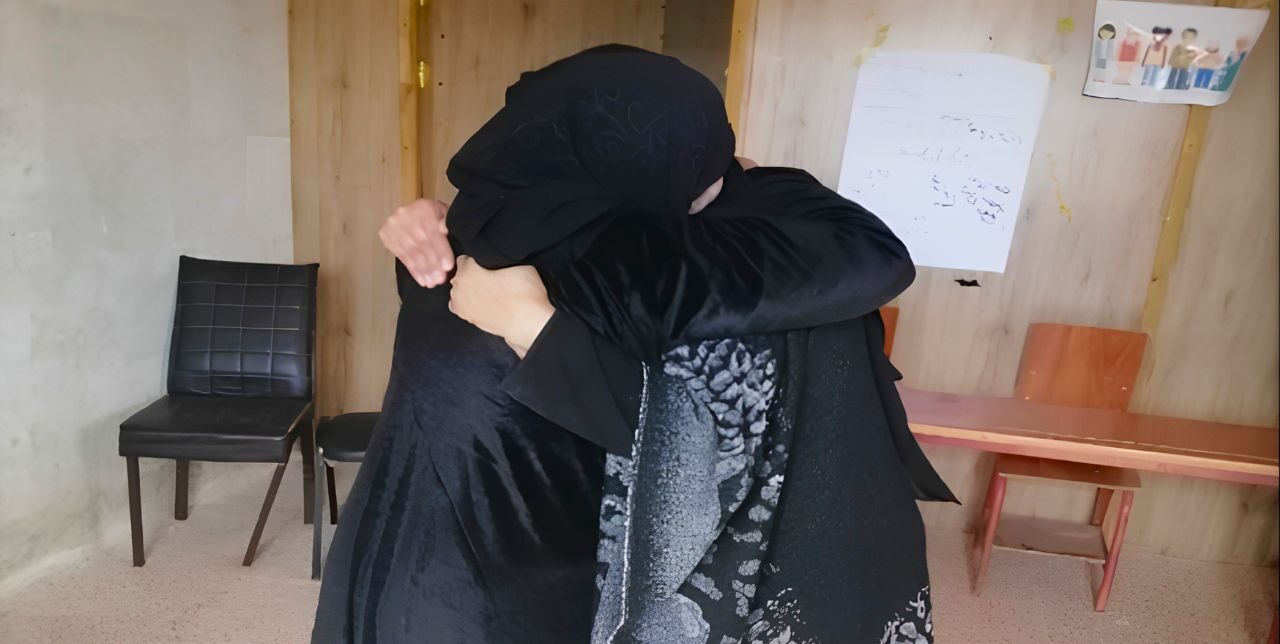
By the end of the sessions, participants reported significant improvements in emotional well-being and relationships within their families and neighborhoods. Several women began visiting neighbors they had avoided for years and taking part in community events together.
Before, I avoided some families because of old problems.Now we meet at the center, talk, and share ideas. I even help organize group activities.
explained Rania, 30 years old.
One visible sign of progress was the increase in attendance at the Oweijel Center, which had previously been perceived by returnees as a space reserved for locals. Following the peacebuilding sessions, the center became a shared hub for all, symbolizing renewed trust and inclusion.
Through this pilot, 25 women directly participated and benefited from psychosocial support that promoted reconciliation and emotional recovery. Indirectly, their families—more than 100 individuals—experienced positive changes through improved communication and reduced household stress. The initiative demonstrated the effectiveness of integrating MHPSS into peacebuilding and underscored the importance of SHF’s support in enabling locally driven, inclusive recovery. The collaboration between SHF, COOPI, and community leaders ensured cultural sensitivity, accountability, and measurable social impact.
Encouraged by the success in Oweijel, COOPI is developing a structured peacebuilding curriculum that can be adapted to other areas in northern Syria. The model reinforces that healing is the first step toward peace—and that empowering women strengthens the entire community.
These sessions helped us believe in each other again. Peace starts from within, and now I feel ready to share it.
said Maryam, smiling.
---
COOPI has been present in Syria since 2016 and has implemented over 50 projects, reaching more than 700,000 beneficiaries through a multisectoral approach. It delivers emergency response and supports vulnerable populations—particularly internally displaced persons and returnees—through assistance, psychosocial support, and livelihood activities.