SHARE


 Ecuador
22-07-2026 | di COOPI
Ecuador. Anticipatory action with WFP saves lives and protects coastal areas
Strengthening social protection systems and enhancing anticipatory response capacity in the face of natural disasters and growing social emergencies. This is the main objective of the new project that COOPI – Cooperazione Internazionale launched in June 2026 with the support of the World Food Programme (WFP).
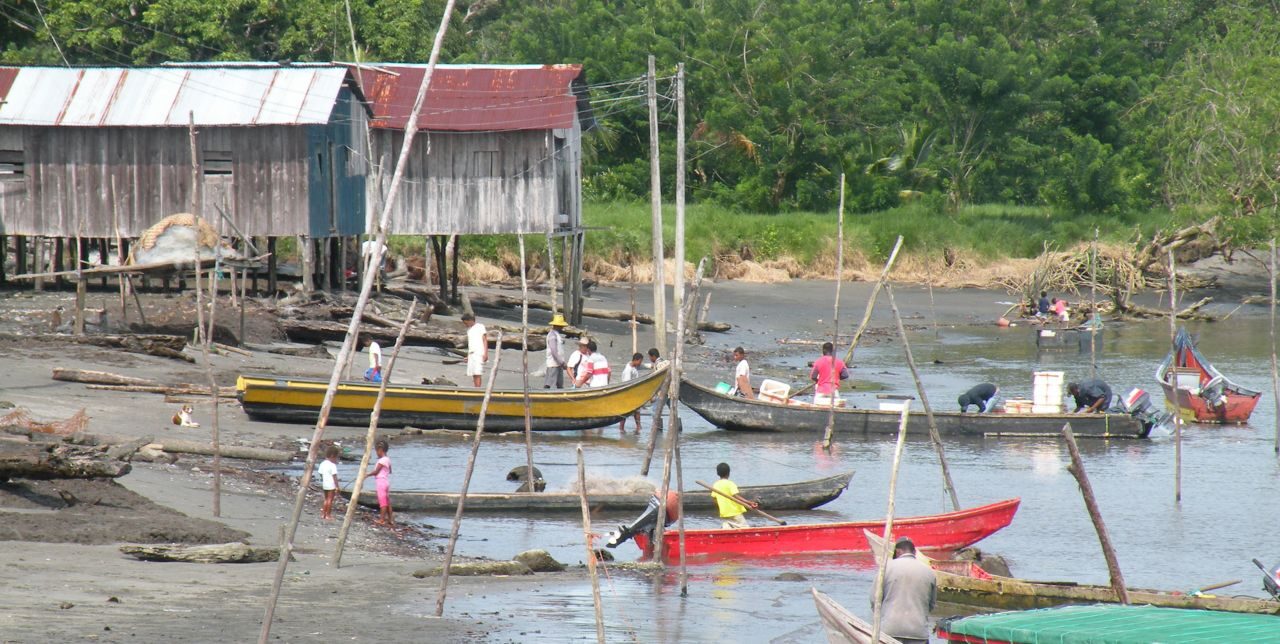
The two-year initiative "Advancing inclusive preparedness and protection systems for multi hazard risk reduction in Ecuador's coastal zones” will support communities living along the country's coastal corridor, a region highly exposed to recurring extreme events such as floods and droughts, compounded by structural poverty and widespread violence. The project will focus on the provinces of Esmeraldas, Manabí, Guayas and Los Ríos.
The approach: integrated prevention and protection
The project addresses territorial vulnerabilities through coordinated action at three key levels: national, municipal and community. Its strategy is built around a fundamental principle: anticipating risks and strengthening local capacities so that institutions and communities can respond quickly and effectively when emergencies occur.
- Acting before it is too late: an early warning system integrated with social protection mechanisms will enable timely interventions and even direct cash assistance to households before a disaster causes irreversible damage.
- Preparing local institutions for territorial challenges: COOPI will work alongside municipalities and local emergency management units to update their emergency response plans, equipping them with clear, certified procedures that will be tested through practical emergency simulations in the field.
- Empowering communities with practical tools and skills: by establishing community committees in neighbourhoods and villages, local people will not only learn how to operate early warning systems, but will also be actively involved in violence prevention and trained to provide initial psychosocial support to those affected by emergencies.
Nearly 60,000 beneficiaries, reaching out to the most vulnerable
The project will directly benefit 59,898 people across the five priority municipalities of Esmeraldas, Montecristi, San Vicente, Naranjal and Babahoyo.
The identification and selection of beneficiaries has been guided by a commitment to reaching those facing the greatest vulnerabilities and hardships. Priority is given to groups that are often the most exposed to risk, including children, women, older people and persons with disabilities. Particular attention is also paid to those who are frequently excluded from traditional assistance programmes, such as families displaced by disasters, migrants and women-headed households living in contexts affected by daily violence.
---
COOPI has been working in Ecuador since 1967, implementing development projects to help combat poverty and respond to humanitarian emergencies. Its areas of intervention include child protection, water, sanitation and hygiene (WASH), infrastructure improvement, and disaster risk reduction and prevention.