SHARE


 Haiti
Haiti
06-04-2026 | di COOPI
Haiti. Health and protection for more than 23,000 displaced people in Port-au-Prince
In the metropolitan area of Port-au-Prince, where thousands of displaced families live in extremely precarious conditions and access to healthcare and protection services remains extremely limited, 23,633 people have received essential assistance over the past eight months thanks to the intervention of COOPI – Cooperazione Internazionale.
Since August 2025, three mobile clinics have been deployed and have been operating daily across 16 displacement sites, thanks to the support of the International Organization for Migration through the project “Humanitarian response for protection, health and hygiene in the metropolitan area of Port-au-Prince, Haiti”. The clinics provide medical consultations, referrals to specialized facilities, as well as psychosocial support tailored to people affected by violence and precarious living conditions.
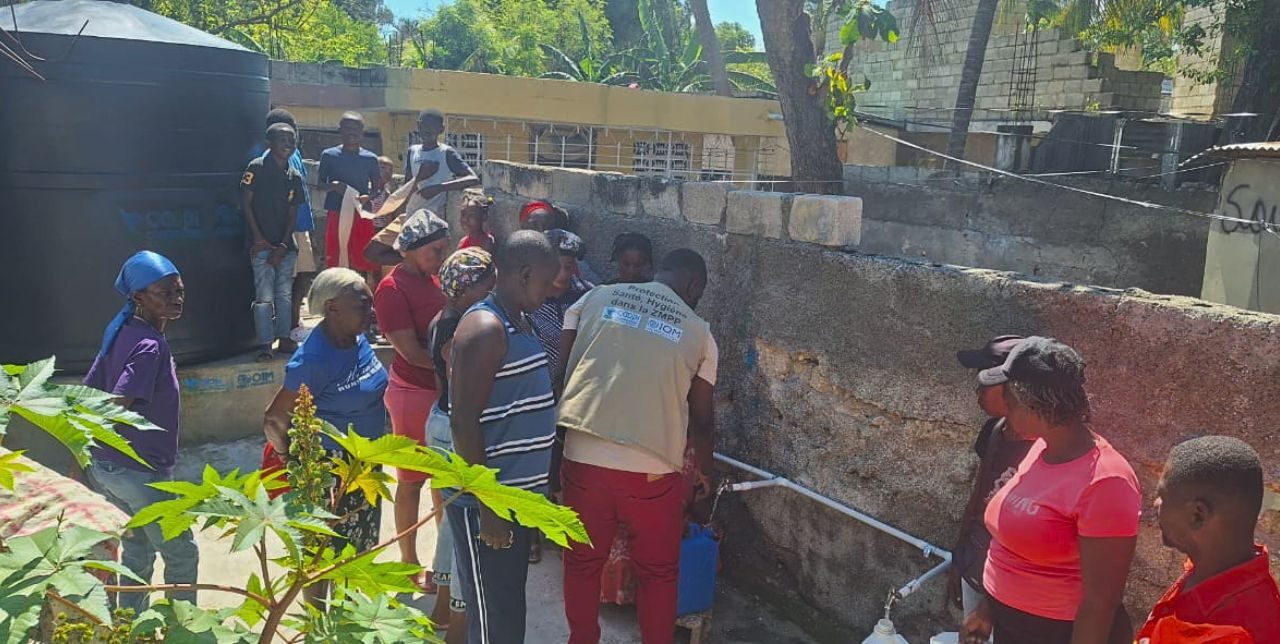
In addition to this health and psychosocial care, communities have also benefited from malnutrition prevention activities, awareness-raising on gender-based violence, and water, hygiene and sanitation interventions, thereby helping to strengthen dignity and reduce health risks within the sites.
This integrated approach, combining healthcare, protection and psychosocial support, is concretely reflected in the stories of the people assisted in the field.
C. Jean* arrived at a mobile clinic in a worrying condition, marked by significant weight loss and severe scrotal pain that greatly limited his daily activities. Following a medical assessment, he was referred to the hospital Saint Camille for specialised treatment. The surgical operation was successfully carried out, and his health condition gradually improved, allowing him to resume his activities.
Similarly, Jénold*, a young man who was the victim of severe violence, was identified by the protection team during field activities. He showed signs of physical and psychological trauma and immediately received assistance. This included the distribution of a hygiene kit to address his essential dignity and health prevention needs, as well as psychosocial support aimed at listening to him, supporting him, and helping him cope with the consequences of the violence he suffered. Due to concerning symptoms, particularly rectal bleeding, he was later referred to the hospital Saint Camille for appropriate medical care.
These cases illustrate the importance of a multidisciplinary approach integrating health and protection in protracted crisis contexts, where psychosocial support constitutes an essential element in restoring the dignity of survivors, particularly the most vulnerable individuals.
said Head of Mission Flavio Signore.
Through this project, COOPI is contributing to a coordinated and effective humanitarian response capable of providing concrete solutions to the urgent needs of displaced populations while also fostering tangible prospects for stabilisation and recovery.
---
COOPI has been present in Haiti since 2010 with projects aimed at reducing disaster risks, combating cholera and drought, managing displacement camps, rehabilitating housing, and ensuring food security, in order to reduce vulnerability and strengthen the resilience of Haitian communities.
* fictitious names