
SHARE


 Jordan
02-02-2026 | di COOPI
Jordan. Investing in teachers to advance inclusive education in public schools
In alignment with the thematic focus of the International Day of the Rights of Persons with Disabilities, and in recognition of the global call to strengthen inclusive learning environments, this progress highlight captures the impact of professional capacity building within public schools. As part of the project “Tarabot: promoting inclusive education for children with disabilities and special educational needs in Amman, Irbid, and Mafraq”—funded by Italian Cooperation and aimed at strengthening inclusive education in public schools—COOPI identified significant gaps in teachers’ capacity to support children with disabilities and special educational needs, particularly in adapting teaching methods, identifying learning difficulties early, and creating accessible classroom environments. To address these gaps, the project supported long-term accredited training opportunities, including nominating ten teachers from six targeted schools to enroll in the Higher Diploma in Inclusive Education at Yarmouk University.
Inclusive education in practice: the experience of a teacher in Mafraq
Among the ten teachers nominated to join the Higher Diploma in Inclusive Education at Yarmouk University is a teacher from a public primary school in Mafraq. Teaching grades 1 to 4, she closely works with children with disabilities and special education needs in a school that continues to develop its capacity, practices, and environment to support meaningful inclusion.
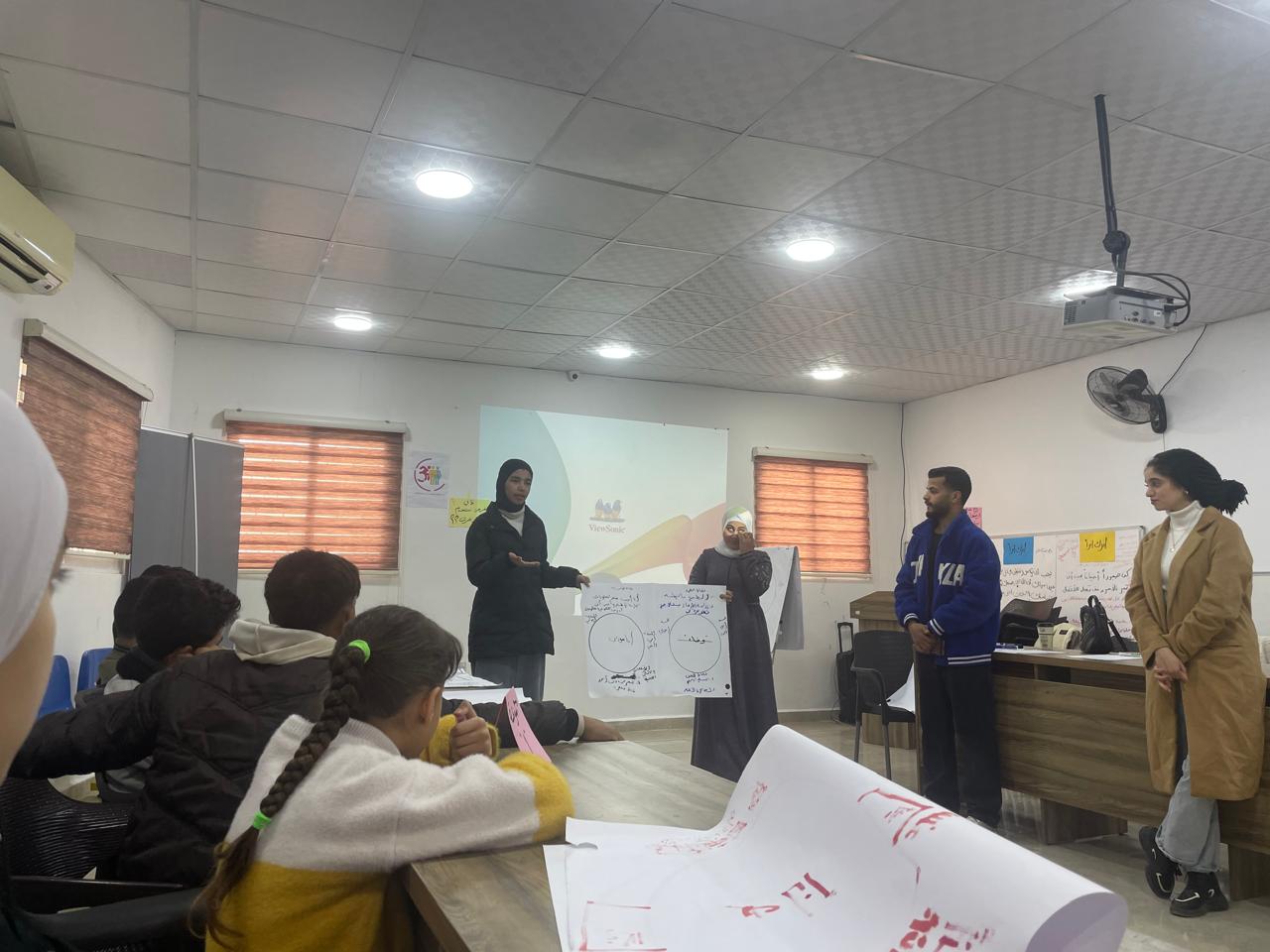
Before joining the program, the teacher faced several challenges: low peer acceptance of students with disabilities, limited inclusive teaching practices, gaps in her ability to support the students with disabilities, and the absence of classroom support teachers. Economic hardships among some students also affected attendance and engagement making them at-risk of drop-out. These obstacles made it difficult to create the supportive learning environment that she knew her students deserved. Her motivation to enroll in the diploma program grew as the number of students with disabilities and special educational needs in her school increased. She wanted to build her capacity to create a truly inclusive classroom, and she was also driven by a personal reason: she is the mother of a child with a disability and hoped to better support him through his educational journey.
Building a rights-based approach to education
Although she has completed only two months of the program, the change has been profound. She learned that inclusive education is not limited to disabilities, but extends to all learners, including gifted, talented, and high-achieving students as well. She now understands the importance of psychosocial support to the students in her classroom (especially for the students with disabilities and special educational needs), peer acceptance and support, and collaboration in building an inclusive school culture. Most importantly, she repeatedly emphasized that one of the key lessons she gained from the programme is the understanding that inclusive education is a fundamental right for all children, and must be ensured and protected. This realization has become central to her new teaching approach. The teacher said:
Teaching these children is not a burden; it's their right. Inclusive education is not charity, it is something every child deserves.
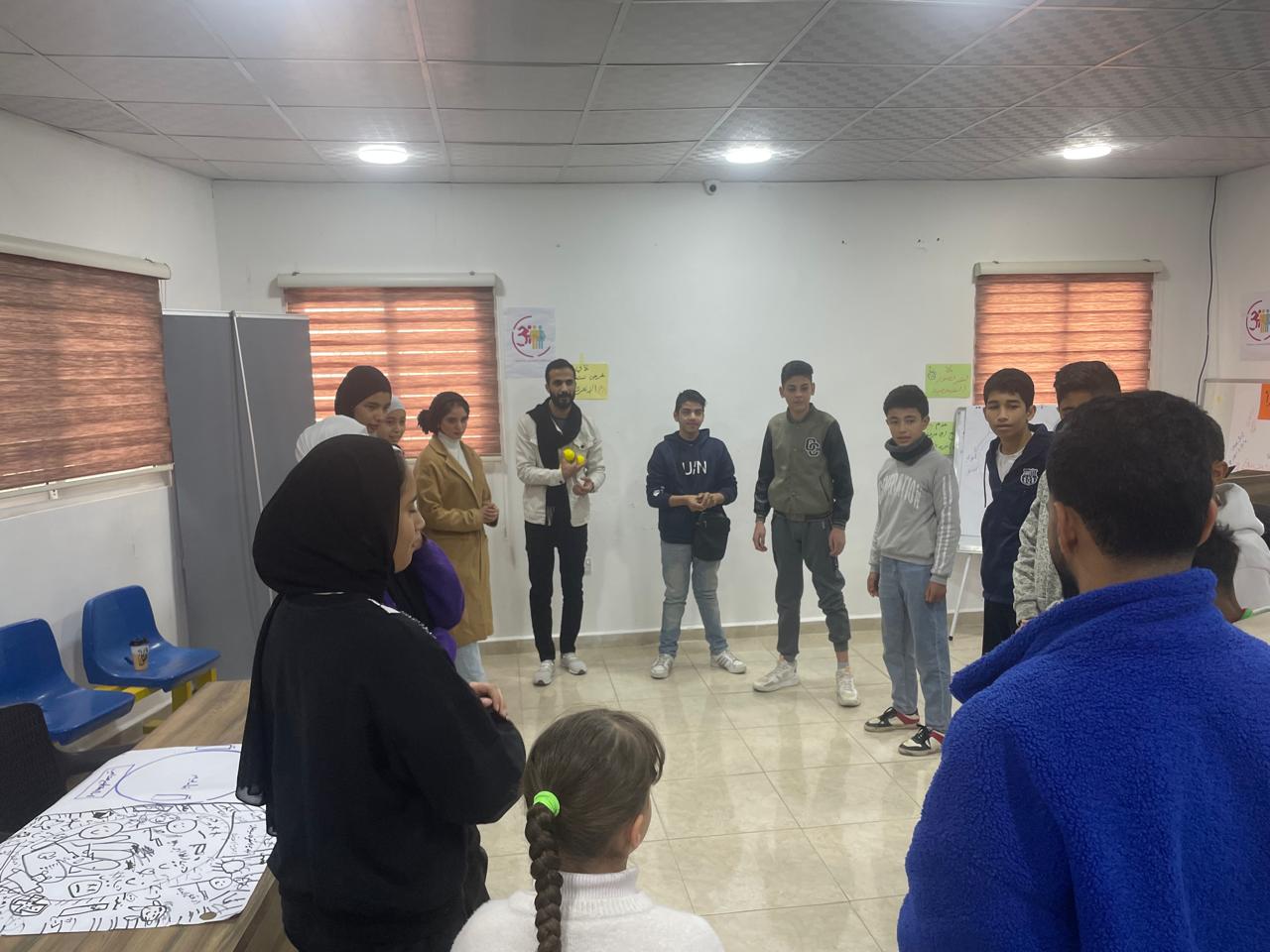
Enhancing teacher capacity in line with international standards
The diploma programme strengthens the teacher’s confidence and expands her professional knowledge. She is eager to learn and apply new strategies, particularly accurate student assessment and individualized planning, in the upcoming practicum phase. She believes the impact of inclusive education extends far beyond the classroom, shaping more accepting, empathetic, and cohesive communities.
Her journey reflects the core impact of the Higher Diploma program: empowering teachers with the skills, mindset, and motivation to create inclusive, equitable learning environments for all children. This early change demonstrates how targeted professional programs aligned with international educational standards — such as the UN Convention on the Rights of Persons with Disabilities (CRPD) and Sustainable Development Goal 4 (SDG 4), as well as Jordan’s 10-Year Inclusive Education Strategy — can enhance teachers’ capacities and ultimately improve children’s learning outcomes and well-being.
The Tarabot project at a glance
Tarabot – “Promote inclusive education for children with disabilities and special educational needs in Amman, Irbid, and Mafraq” aims at addressing structural, infrastructural, and capacity-related barriers, as well as challenges related to stigmatization and social acceptance, that limit children’s access to quality, inclusive schooling. It seeks to enhance the capacity of communities, families, and schools to create inclusive, equitable, and supportive learning environments across the three governorates. It is being implemented by COOPI-Cooperazione Internazionale, ICU, Rafeeq AlKheir, and Al Hussein Society.
The professional capacity building component is led by COOPI and Al Hussein, who are currently delivering comprehensive professional training and capacity-building programmes for teachers and school staff in six targeted schools, based on a needs assessment conducted at project start. The approach combines short-term training for a large number of teachers—including the MoE’s accredited module on Inclusive Education and Diversity, as well as Al Hussein’s courses on early identification, individualized planning, and differentiated instruction—with longer-term accredited diplomas for selected principals, counselors, and teachers to strengthen inclusive education leadership.
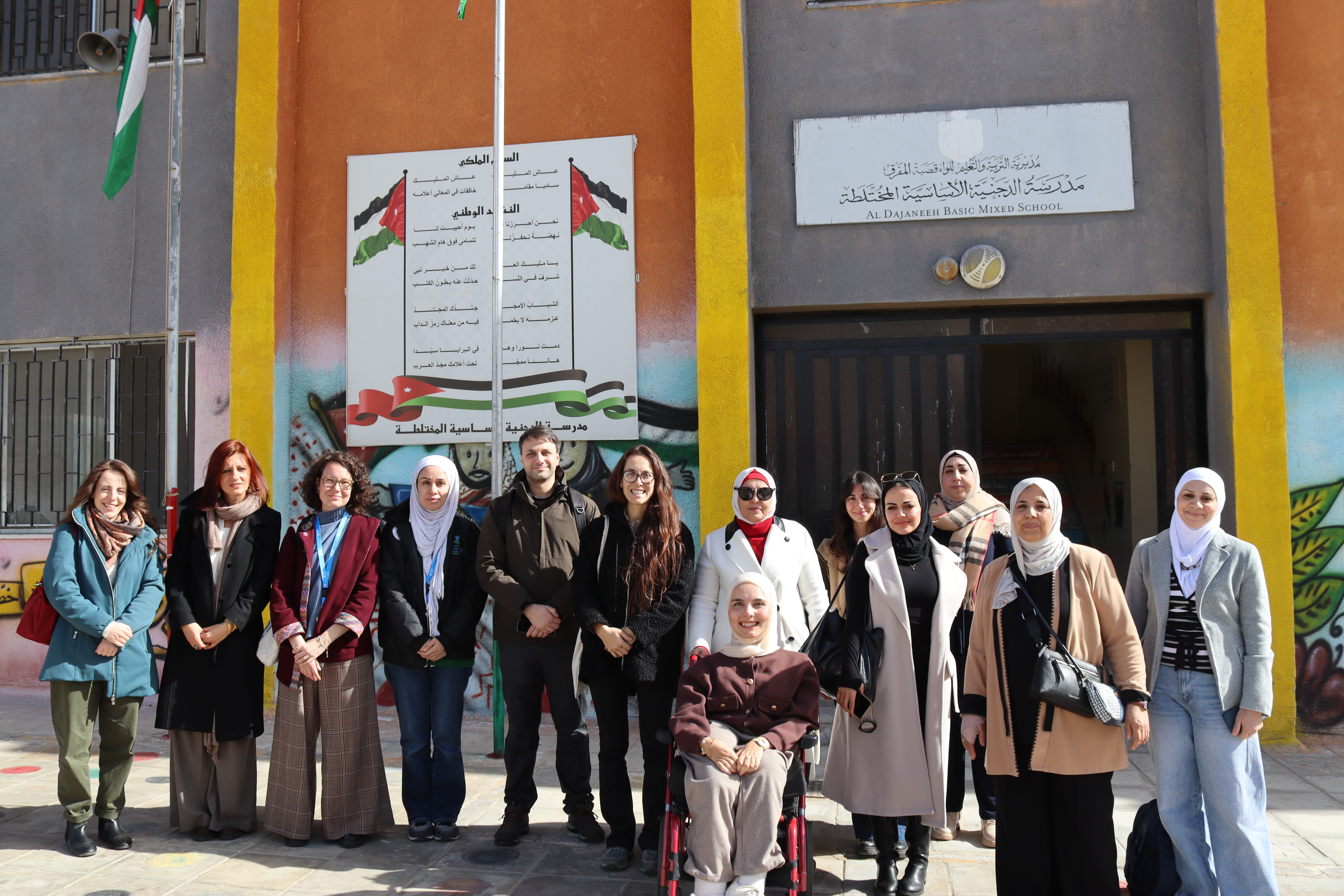
Since 2017, COOPI has been active in Jordan. In response to the ongoing humanitarian and socio-economic challenges, intensified by the Syrian refugee crisis and the COVID-19 pandemic, COOPI works to promote social cohesion and resilience among both host communities and Syrian refugees. Its interventions focus on child protection, access to education, prevention of sexual and gender-based violence, and psychosocial support. Additionally, COOPI supports vulnerable populations, particularly women, through livelihood and business development initiatives aimed at fostering economic empowerment and community well-being.