SHARE


 Ethiopia
21-01-2026 | di COOPI
Ethiopia. Integrated response to drought for over 170,000 people
In the Somali region, specifically in the woredas of Dollo Ado and Dollo Bay woreda, the climate crisis is not a future threat but a daily reality characterised by recurrent droughts and water shortages, which seriously compromise the livelihoods and resilience of pastoral communities. In response to this emergency, COOPI – in partnership with Save the Children and with the support of MAECI through AICS – has implemented the project 'RISE: Integrated and inclusive response to the drought emergency in the Somali region of Ethiopia through WASH, Health, Nutrition and multi-purpose cash assistance', with the aim of mitigating these effects by improving health, nutrition, water and hygiene services.
The project ended in December 2025 and provided an integrated humanitarian response, helping over 170,000 people, including host communities, internally displaced persons and returnees. Head of Mission Andrea Canneti explains that during the project implementation period, the climate consequences worsened, significantly increasing the vulnerability of the population.
Given the high rates of malnutrition and limited access to essential health and WASH services, the urgency of this intervention was confirmed. Particular attention was paid to pregnant and breastfeeding women and children.
Solar water systems
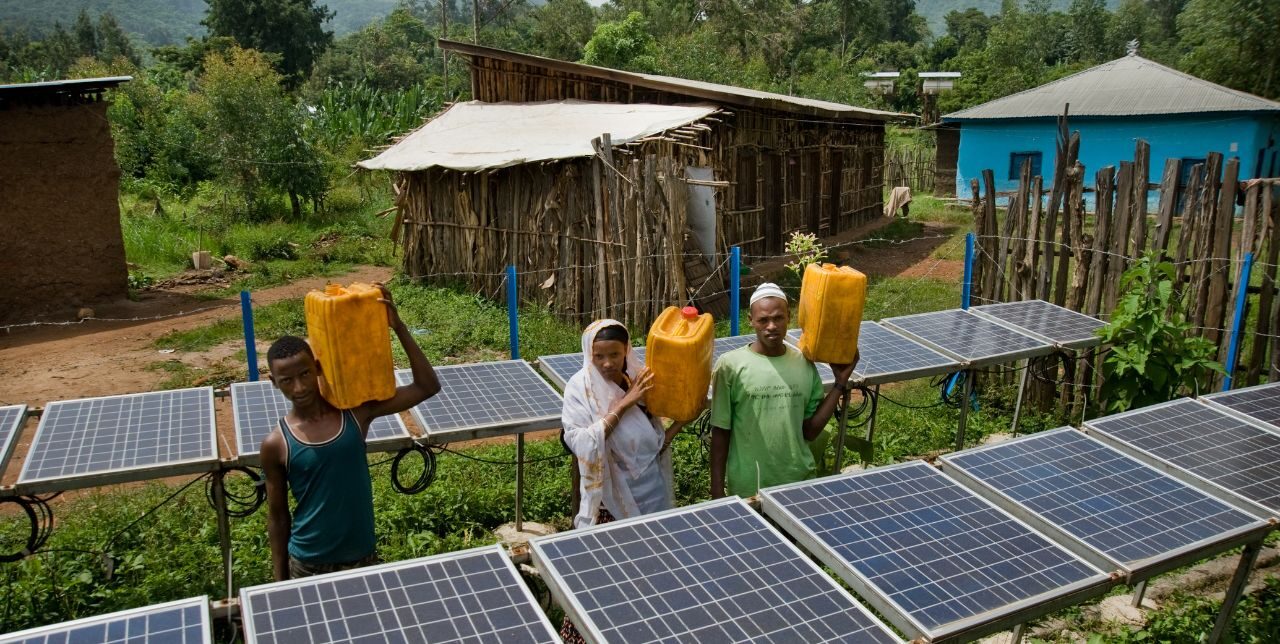
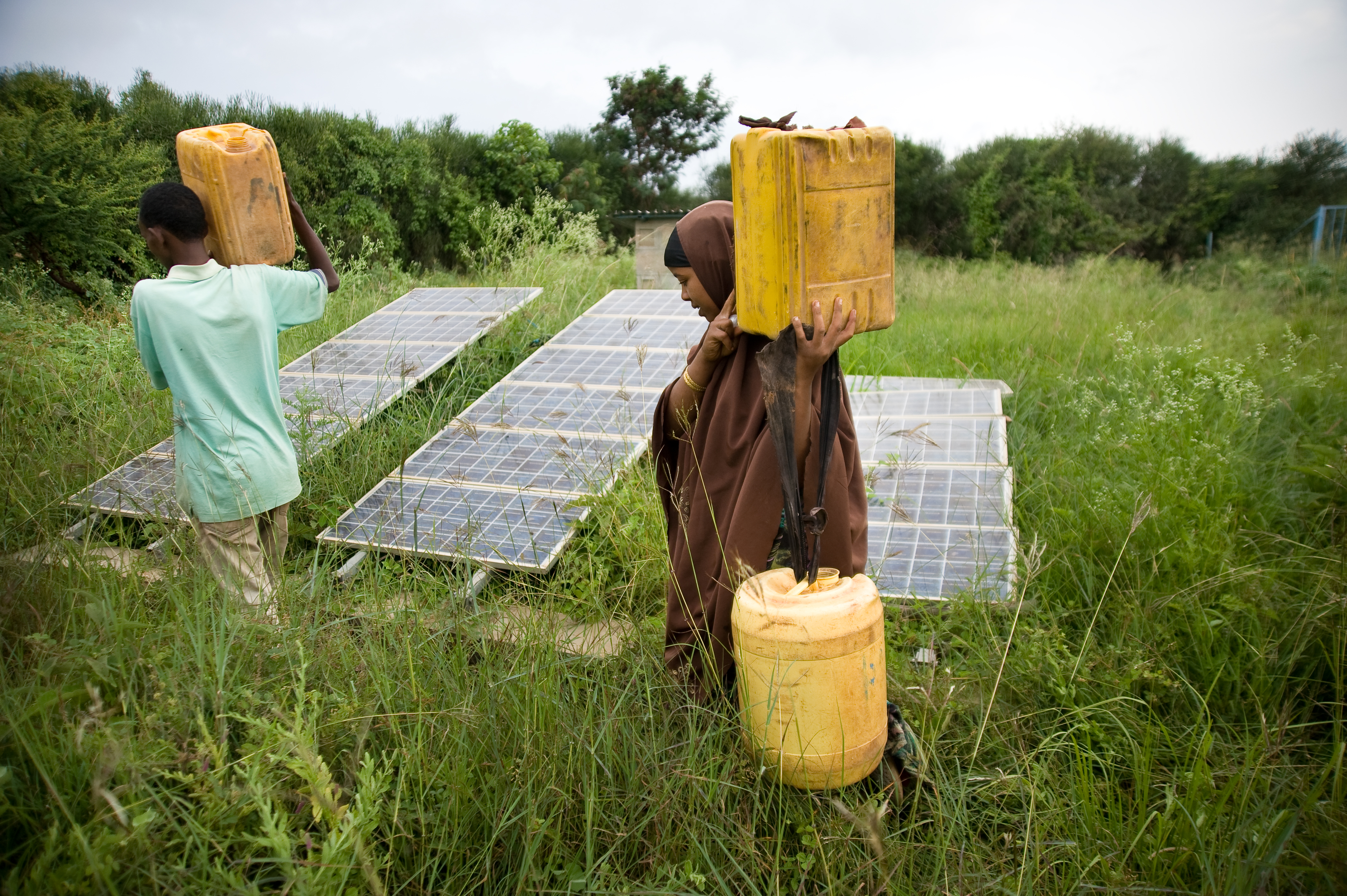
COOPI responded by rehabilitating and building eight sustainable solar-powered water systems, which now provide approximately 20,000 people with access to safe water without relying on fuel, the costs of which are particularly high. Thanks to the use of sustainable technologies, the project has ensured a reliable and safe water supply, enabling community members to withstand the frequent shocks caused by drought and the climate crisis.
Health and Nutrition
Among the main challenges was ensuring access to essential services in a context where only 58% of pregnant women received prenatal care. The awareness-raising and information activities carried out achieved positive results, increasing this percentage to 78%. At the same time, efforts to combat malnutrition led to the screening of nearly 40,000 individuals, with the successful treatment of 11,518 children suffering from severe acute malnutrition and 24,960 from moderate acute malnutrition, with a mortality rate of 0%.
Water and Hygiene
WASH Non-Food Items and Dignity kits were distributed to 500 households, and cash assistance was provided to 850 vulnerable families. Hygiene and sanitation campaigns reached more than 1,500 households, providing communities with essential knowledge to prevent waterborne diseases and maintain health standards during drought conditions. A total of 147 health workers received on-the-job training, 296 community groups were supported, and 4,440 community members were trained to promote proper nutritional and health practices.
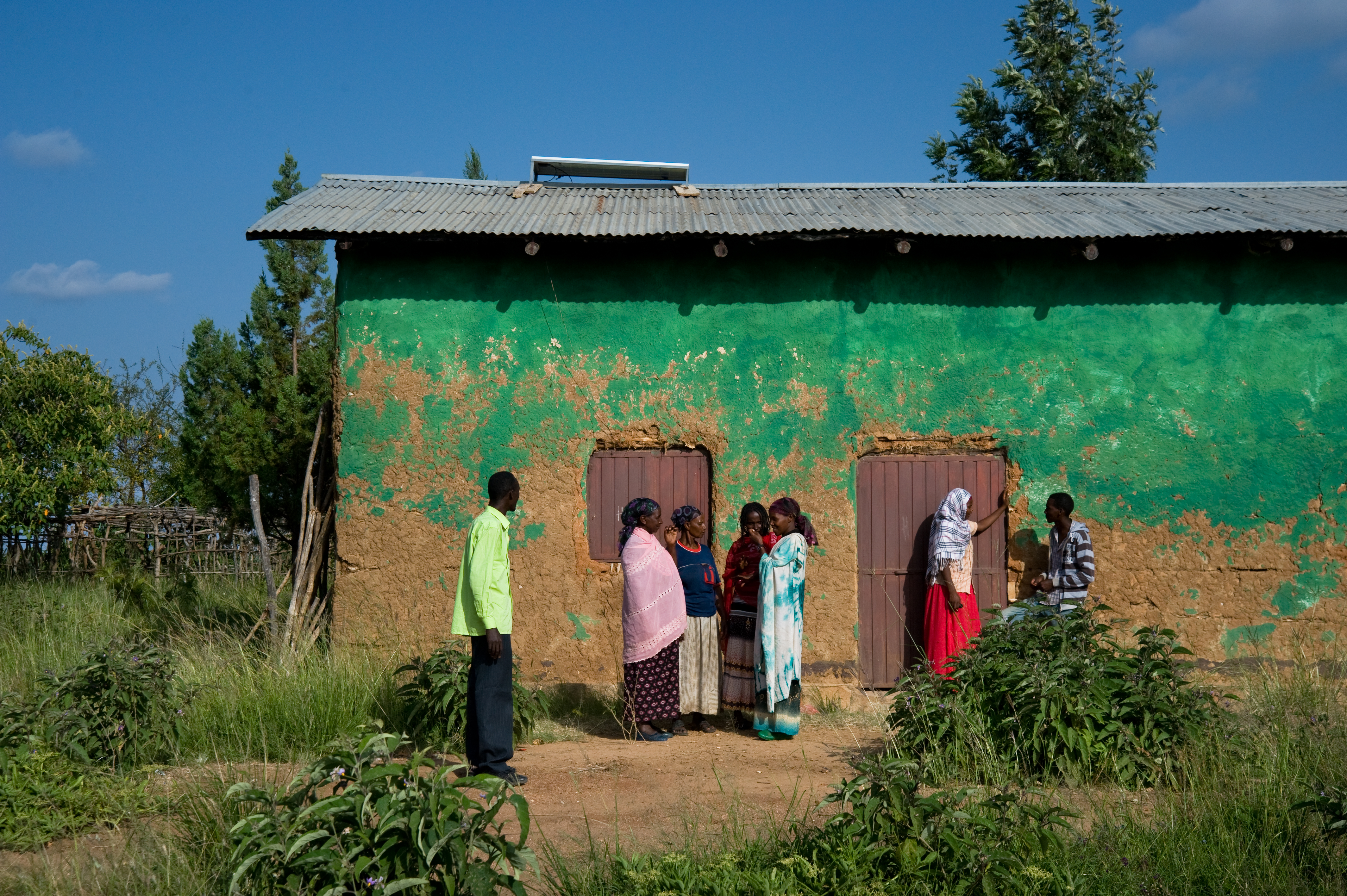
The positive impact of the intervention was recognized by local authorities. During the medical equipment handover ceremony in Dollo Ado, the Head of the Woreda Administration stated that the assistance provided was “beyond imagination” and that words could not fully express the community’s gratitude.
---
COOPI has been operating in Ethiopia since 1995, implementing both development and humanitarian assistance interventions to support the most vulnerable groups, including internally displaced persons affected by conflict and/or natural disasters. Through a multisectoral and integrated approach, COOPI works to strengthen community resilience and protect natural resources. Over time, it has reached more than 10,000,000 direct beneficiaries by implementing 164 projects across the country. COOPI focuses its action on ensuring access to safe water and sanitation services, food security, and livelihoods.
Photo credits: Alessandro Gandolfi