SHARE


 Ethiopia
20-10-2025 | di COOPI
Ethiopia. When water comes closer, education comes back
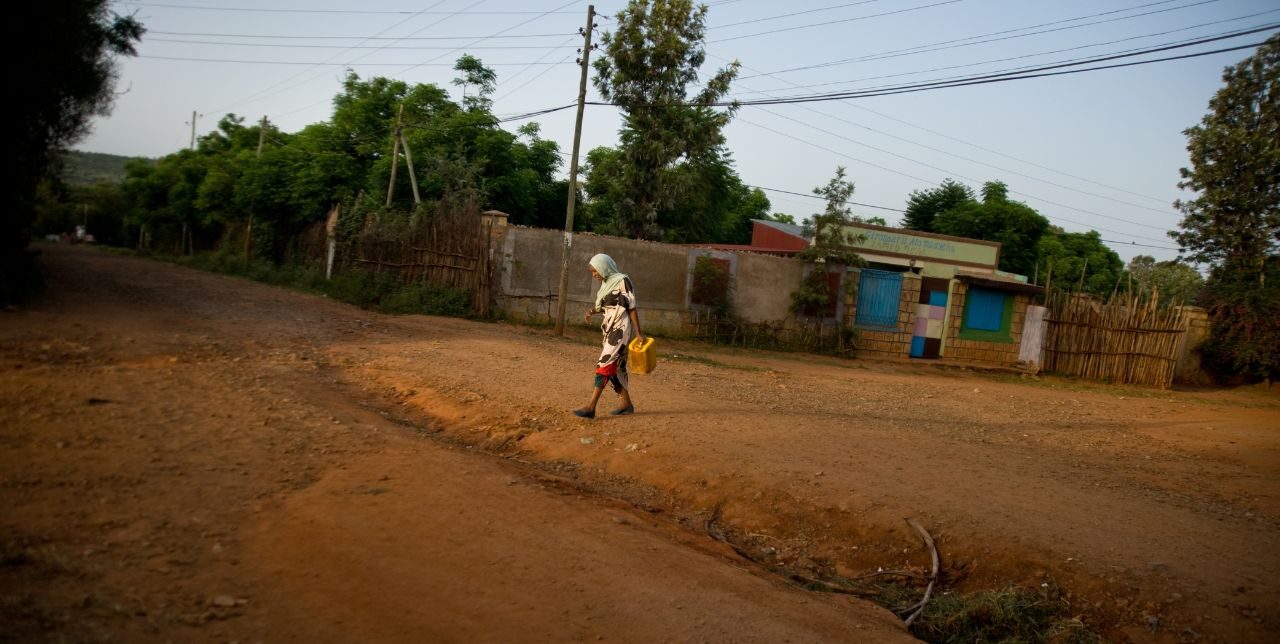
In Karawayu village, in Ethiopia’s Afar Region, the lack of access to safe water has long shaped daily life—especially for women and children. For many families, fetching water meant sacrificing time, health, and education.
Asiyagardo Ali, 38, lives in Karawayu with her extended family of 12 members. Like many women in her community, she has carried the heavy responsibility of securing water for household needs. The nearest water source was 20 kilometers away, requiring a journey of up to six hours on foot. This burden fell not only on adults, but also on children.
One of Asiyagardo’s daughters was forced to leave school for two years in order to help collect water. By the time she returned home from the long walk, she was simply too exhausted to attend classes. Asiyagardo recalls:
Education became impossible. Water had to come first.
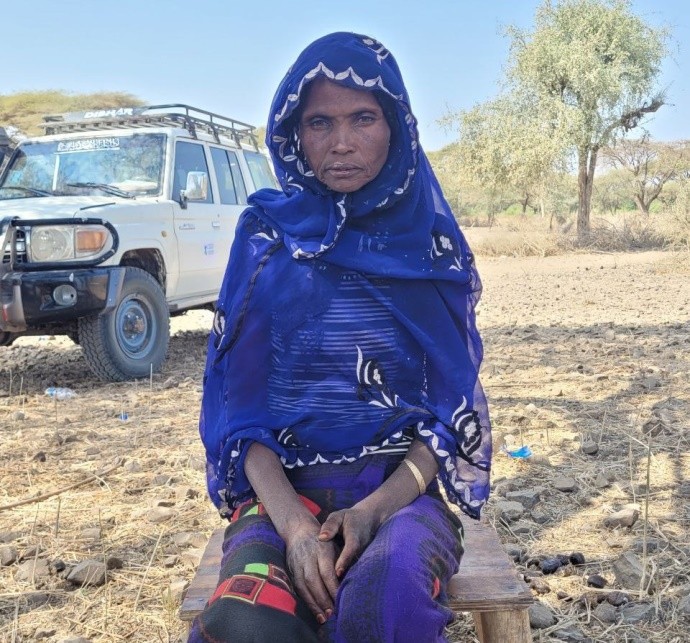
This reality began to change thanks to the project “Strengthening humanitarian response in Afar Region, with a special focus on Ewa and Yallo Woredas (Zone 4)”, implemented by COOPI – Cooperazione Internazionale and LVIA since June 2024 and funded by the Italian Ministry of Foreign Affairs and International Cooperation (MAECI) through AICS. As part of the intervention, COOPI rehabilitated water points in Asiyagardo’s neighborhood, restoring access to clean and reliable water.
With water now available nearby, Asiyagardo’s daughter has been able to return to school. She can even bring clean drinking water with her, an important safeguard in a context where schools do not always provide it. For the family, this change represents much more than convenience—it marks the return of a future that had been put on hold.
Asiyagardo explains that the burden on women in her household and throughout the neighborhood has significantly decreased. The availability of clean water saves time, reduces physical strain, and better meets the needs of large families. Maintaining personal hygiene has also become easier, with positive effects on health and well-being.
To ensure that these gains last, the community, together with local authorities, has established a WASH committee responsible for overseeing the water points, carrying out regular maintenance, and organizing repairs when needed. This community-led approach strengthens local ownership and helps guarantee the sustainability of the intervention over time.
Asiyagardo’s story shows how restoring access to water can reverse cycles of exclusion. When water comes closer, children can go back to school, women regain time and dignity, and entire communities move one step closer to resilience.
COOPI has been present in Ethiopia since 1995, providing development and humanitarian assistance to support the most vulnerable groups, such as internally displaced persons due to conflicts and/or natural hazards through a multisectoral and integrated approach.
Photo credits: Alessandro Gandolfi