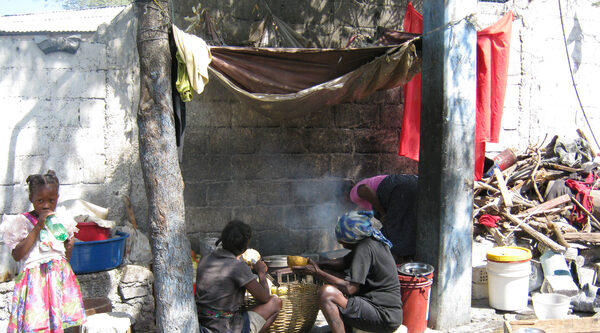
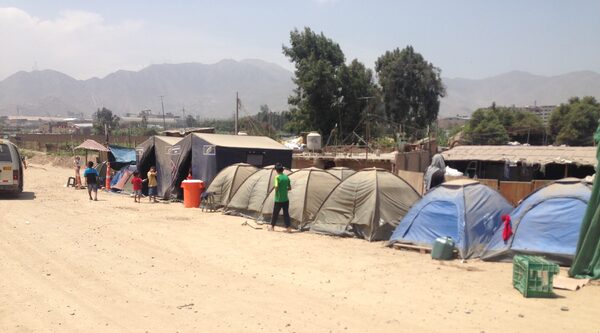
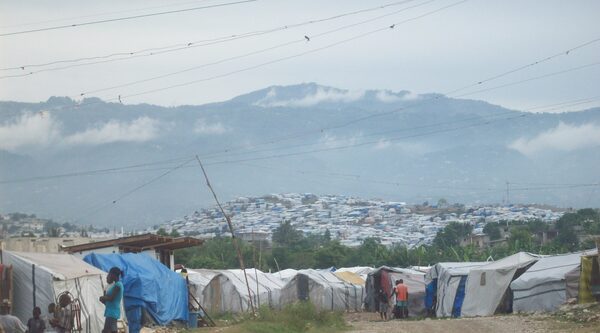
COOPI began working in Haiti after the 2010 earthquake, which affected millions of people and exacerbated an already critical situation. Haiti remains one of the poorest countries in the world, with many families facing extreme poverty, unemployment, food shortages and violence.
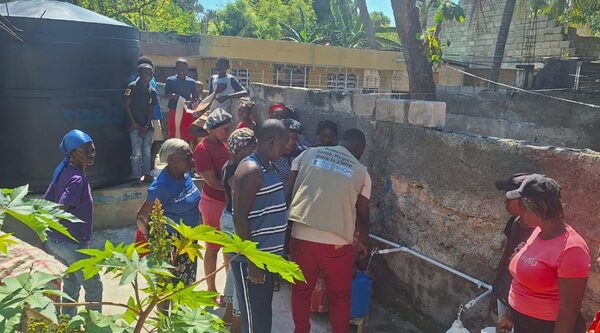
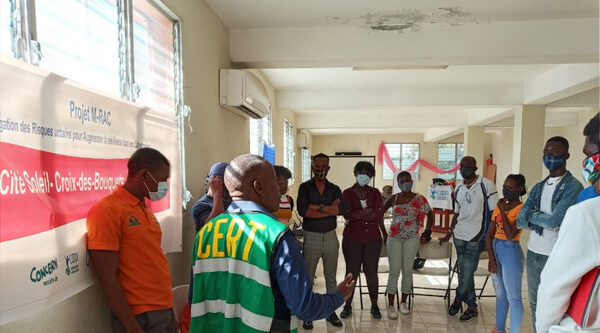
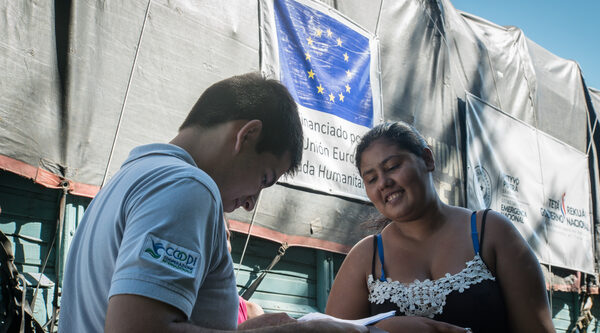
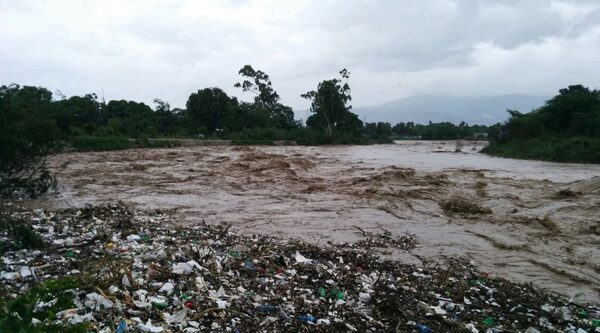
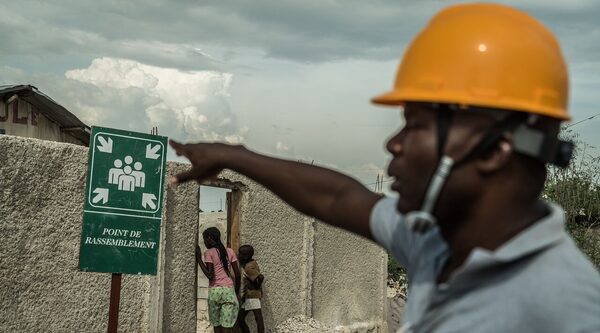
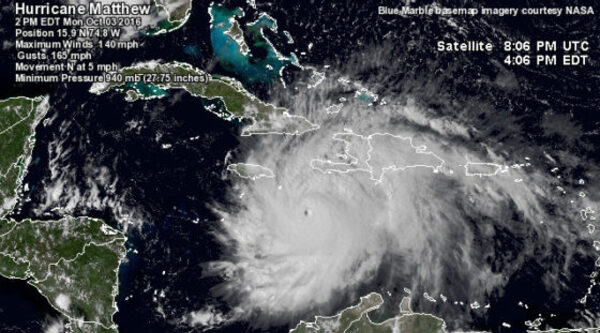
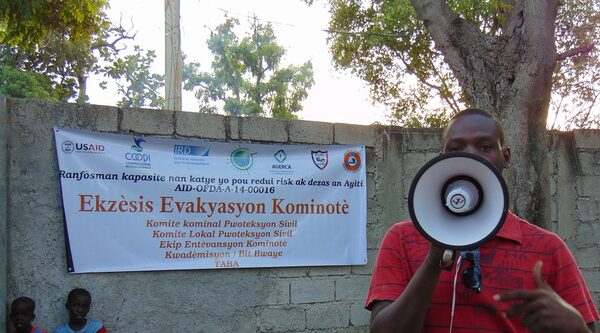
Initially, the organisation provided aid to displaced people and fought cholera, concentrating its efforts mainly in Port-au-Prince and the surrounding areas. Over the years, with the support of various donors, it has developed interventions to cope with the country's frequent natural hazards, improving the resilience of the population and institutions through food security and training projects in Centre, Artibonite, North, North-East, North-West and South-West regions.
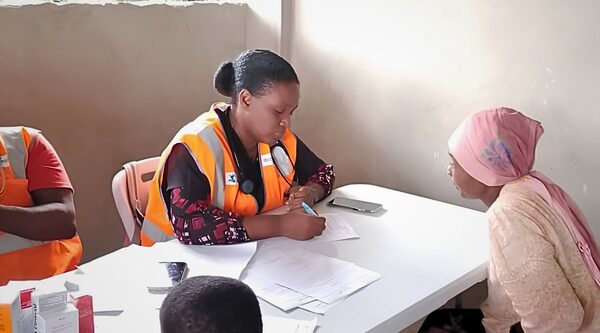
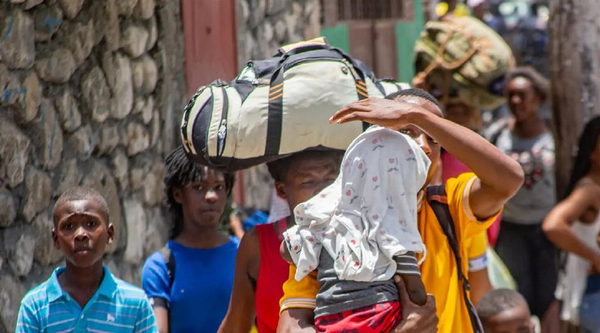
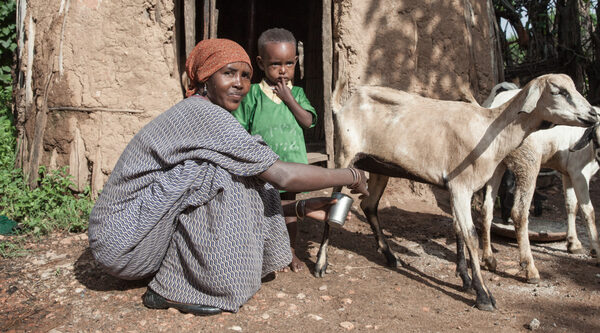
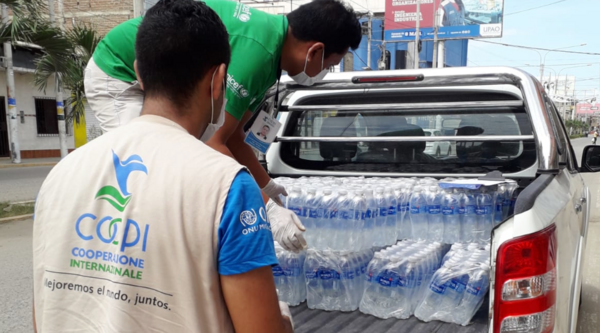
Since 2018, COOPI has intensified its commitment to food security by supporting vulnerable households. During the 2020 pandemic, it ensured access to secure and nutritious food through the distribution of food aid. In July 2021 the country entered a spiral of violence perpetrated by armed criminal groups, causing the displacement of the population, especially in the metropolitan area of Port-au-Prince and the Artibonite region, and COOPI took action with Rapid Response Mechanism projects in health, nutrition and protection. The organisation's interventions in the country are characterised by the use of innovative technologies, such as interactive mapping, to reduce disaster risk. The 'Open Data for Risk Reduction in Haiti' project won the prestigious Risk Award 2017 for its innovative approach to risk management.